
Curious about Vitamin A skincare? Start with a simple routine and a product your skin can tolerate. This introduction covers the basics; our newer guide explores ingredient differences and product options in more detail.
What can Vitamin A skincare help with?
Retinoids are a family of vitamin A-related ingredients. Depending on the ingredient and formulation, they may help improve the appearance of mild fine lines, uneven pigmentation, and acne. Cosmetic skincare and prescription acne treatments serve different purposes; choose according to the label and your clinician’s advice.
Introduce one product at a time
Begin gradually, following the product directions. A few evenings per week may be a reasonable starting point for some products. Moisturizer can help manage dryness. If you develop persistent burning, peeling, or redness, stop using the product and seek professional advice.
Dry or easily irritated skin may need a different approach. A dermatologist can help you decide whether a retinoid is suitable.
Keep sun protection in your routine
Vitamin A skincare does not replace sunscreen. Use broad-spectrum, water-resistant SPF 30 or higher, seek shade, and wear sun-protective clothing. Reapply sunscreen about every two hours outdoors and after swimming or sweating, following its label.
Pregnancy and individual concerns
Avoid retinoids during pregnancy. If you are trying to conceive or breastfeeding, discuss your skincare products with your clinician before using them.
Explore the complete guide
Read Vitamin A for Skin: How Retinol Helps Texture, Tone and Fine Lines for ingredient comparisons, frequently asked questions, and links to selected products at Skin Care By Suzie.
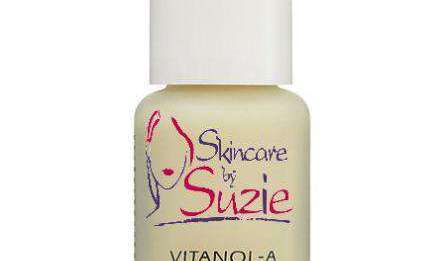
You can also explore Vitanol-A Skin Repairing Booster in our store. Read the current product directions and ingredients before choosing a product.
Sources
American Academy of Dermatology: Retinoid or retinol?; Pregnancy skin care; Sunscreen FAQs.
General skincare education; individual suitability and results vary.

